Japanese New Year Food: My Experience with Toshikoshi Soba, Ozoni, and Osechi
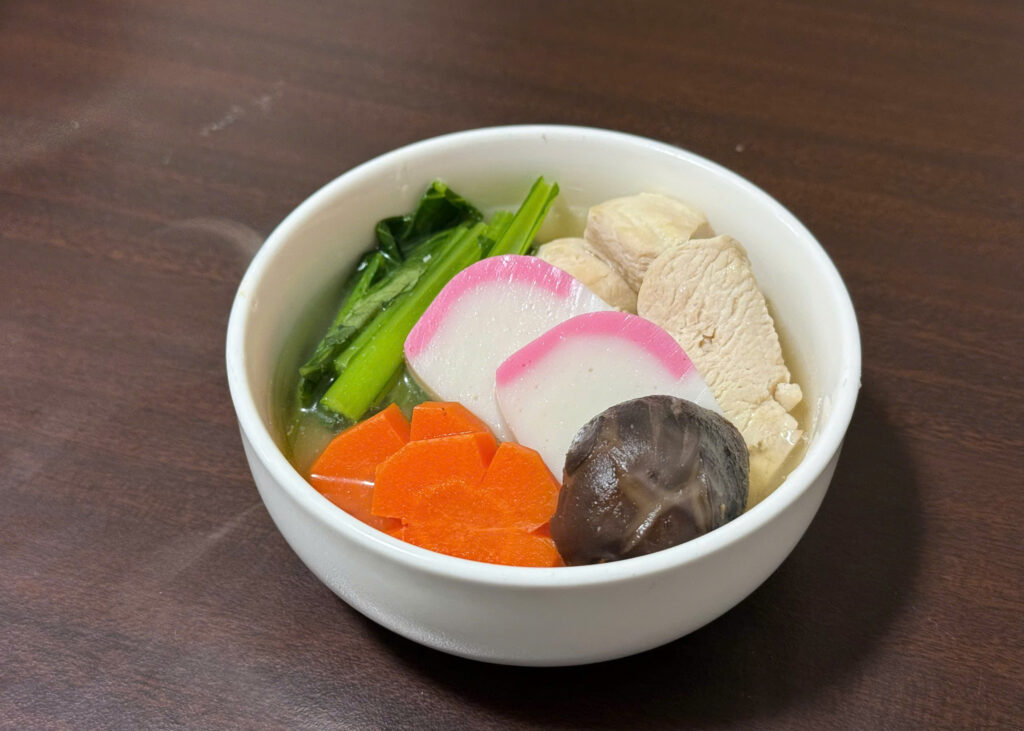
From toshikoshi soba to osechi, explore Japanese New Year food traditions and their meanings through my personal experience living in Japan. Welcoming the New Year Through Japanese Cuisine New Year is a time to slow down, rest, and enjoy delicious food after a year of hard work. Every country has its own traditional New Year dishes, each carrying special meanings and good wishes for the year ahead. After living in Japan for two years, I decided to experience authentic Japanese New Year cuisine as locals do. During this time, I tried several traditional dishes such as toshikoshi soba, ozoni, osechi, and mochi. Each dish is more than just food—it represents hope, renewal, and gratitude. Let’s take a closer look at these New Year dishes and the meanings behind them. Traditional Japanese osechi food Toshikoshi Soba(年越しそば) Toshikoshi soba is a bowl of soba noodle soup, often served with shrimp tempura, seaweed, and chopped green onions. In the cold December weather, holding a hot bowl of soba in your hands feels comforting. As you lift the noodles with chopsticks and take a bite, you can feel their firm, slightly chewy, yet easy-to-bite texture. Slurping the hot broth delivers deep umami flavor and warms your body from the inside. Hot bowl of toshikoshi soba with shrimp tempura, eaten on New Year’s Eve in Japan In Japan, toshikoshi soba is usually eaten around midnight on New Year’s Eve. There are several theories behind its meaning, but two are especially common. First, soba noodles are long and thin, symbolizing a wish for long life (adding shrimp tempura strengthens this meaning, as shrimp are associated with longevity). Second, soba noodles are easy to bite through, representing the idea of cutting off hardships, sadness, and regrets from the past year and welcoming a fresh start. Ozoni(お雑煮) On the first morning of 2026, I woke up in Osaka, where the weather was cold and crisp. I got up at 6 a.m., full of energy for the first day of the New Year, and cooked ozoni for my breakfast. Ozoni is a traditional New Year soup made with rice cakes (mochi), meat, vegetables, and a light broth. It is eaten across Japan, but the ingredients and seasoning vary widely by region and household. Homemade Ozoni soup with mochi, chicken, and vegetables For my version, I used chicken cut into bite-size pieces and seasoned it lightly with salt and soy sauce. I brought water to a boil, added the chicken, then included carrots cut into flower shapes, mushrooms, and mochi. Finally, I added green vegetables and two slices of fish cake that I had taken from my osechi box. The broth was clear and gentle in flavor, the chicken tender and juicy, and the mochi was truly the heart of the dish—soft, stretchy, and wonderfully chewy. The carrots, mushrooms, and greens added freshness and natural sweetness, while the fish cake contributed a firm texture and savory depth. Osechi Ryori(おせち料理) Osechi is traditional Japanese New Year food filled with symbolic meanings and good wishes. There are many varieties of osechi, ranging in price, size, and number of layers, often beautifully arranged in tiered boxes called jubako. Colorful osechi dishes including shrimp, black beans, lotus root, and sweet omelette Common dishes found in osechi include: Kuromame: Sweet black soybeans simmered slowly in sugar and soy sauce, symbolizing good health and the ability to work hard. Kuromame sweet black beans from osechi, symbolizing health for the New Year Kuri kinton: Candied chestnuts and sweet potatoes representing wealth and financial fortune. Candied chestnuts and sweet potatoes Su renkon: Pickled lotus root, whose holes symbolize clear vision and looking ahead. Lotus root from osechi Tataki gobo: Burdock root, representing family strength and stability. Burdock root Namasu: A daikon and carrot salad symbolizing celebration and happiness. Daikon and carrot salad Ebi: Simmered shrimp, associated with long life. Tai: Sea bream, symbolizing good luck and celebration (also seen in taiyaki). Kazunoko: Herring roe, wishing for fertility and a prosperous, growing family. Tazukuri: Candied anchovies coated with soy sauce, honey, and sesame seeds, symbolizing a bountiful harvest. Datemaki: Sweet rolled omelette, representing knowledge, learning, and academic success. Datemaki sweet rolled omelette, a traditional Japanese New Year dish symbolizing learning Kamaboko: Fish cake symbolizing purity and protection from evil. Satoimo nishime: Simmered taro, representing family prosperity. Simmered taro Osechi is usually eaten during the first three days of the New Year. While it can be considered expensive, experiencing osechi at least once is truly worthwhile if you are in Japan during this season. Enjoying Ozoni and Osechi Japanese New Year food at home during winter Experiencing Japanese New Year cuisine helped me understand how deeply food is connected to wishes, gratitude, and new beginnings in Japan. Each dish, from a simple bowl of soba to a beautifully arranged osechi box, carries thoughtful symbolism and care. Cooking and eating these foods made the New Year feel more meaningful, reminding me that food is not only nourishment for the body, but also a way to welcome hope and renewal for the year ahead. It’s a way to say thank you for the past year and welcome the next one. If you’re in Japan during New Year, I really recommend experiencing this at least once.
Japanese New Year Food: My Experience with Toshikoshi Soba, Ozoni, and Osechi Read More »